Love Blankets
Background
Background
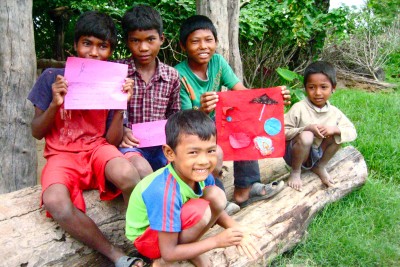
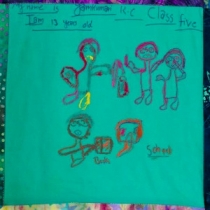
Social Network: Groups of children worked together in painting squares for the first Love Blanket.
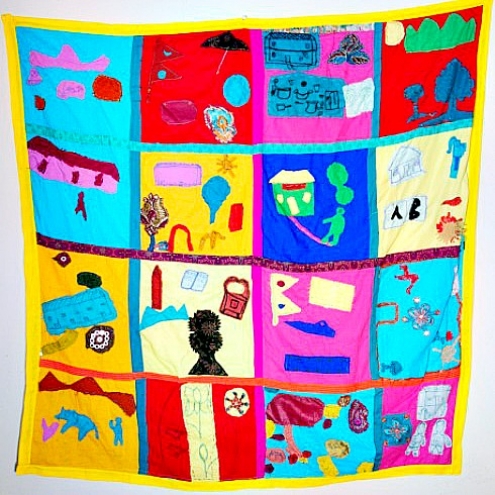
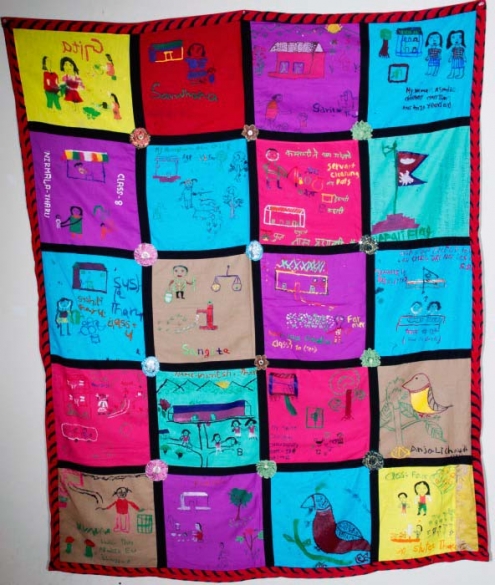
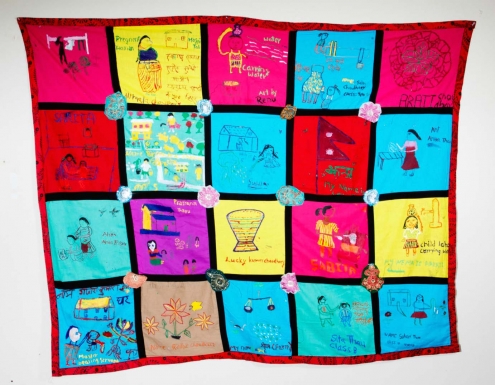
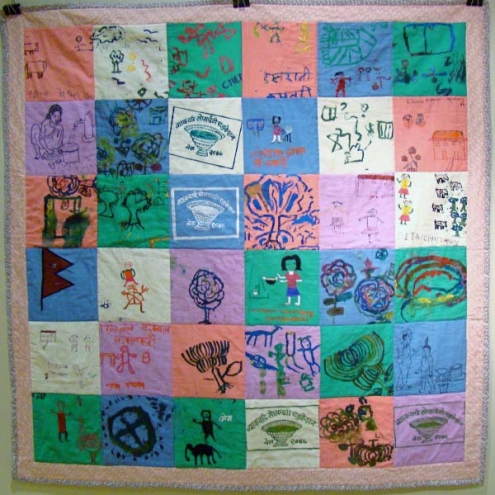
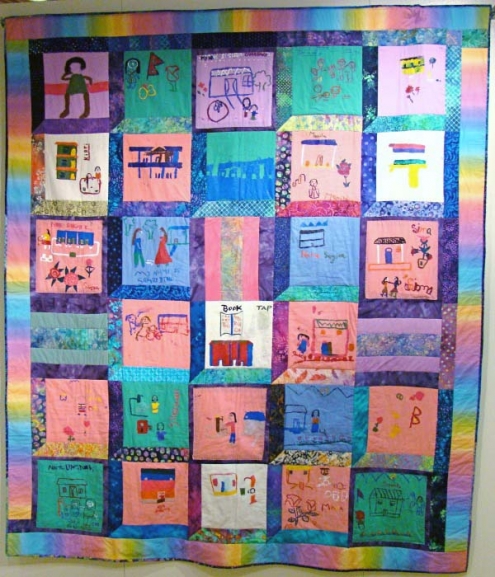
Between 2010 and 2012, Nepali girls and boys produced squares for six richly decorated quilts, which they labeled Love Blankets. Many of the young artists had been rescued from child slavery. Four of the blankets were assembled in Nepal and two in the US, where they have been widely exhibited. The project has coordinated by AP’s partner in Nepal, Backward Society Education (BASE), to publicize and expose the scandal of child labor. AP Fellows assisted in the making of all of the blankets, and also produced a seventh quilt in the traditional Tharu art style.
As we report on other pages, bonded labor in Nepal is illegal but still practiced against children from the Tharu minority. The most widely known example is the recruitment of young girls to serve as kamlaharis, or domestic workers.
As part of its campaign to eliminate child labor, BASE is developing a network of “child friendly” villages in the west of the country. The idea is to create an environment where children can shelter from slavery and escape from the ever-present threat of child labor. Within each village, BASE tries to ensure that every child goes to school, and that parents and communities accept responsibility for protecting child rights. BASE has designated 313 villages in the districts of Dang, Banke, Bardiya, Kailali and Kanchanpur as Child Friendly Villages.
The First and Second Love Blankets (2010)
The first two love blankets were produced in Nepal in 2010, under the supervision of Peace Fellows Adrienne Henck and Karie Cross, who worked with 183 children in 9 villages. Adrienne and Karie criss-crossed central Nepal with a BASE staff-member, meeting with Child Clubs and Child Friendly Committees.
As Adrienne and Karie later wrote in their blogs, between ten and fifty club members would attend each blanket-making session, which lasted approximately one and a half hours. Their BASE colleague would explain the purpose of the project and answer questions from the children. The children were encouraged to think about child labor and children’s rights. They would then form small groups, each of which would make a square for the Blanket.
They began by discussing their idea. Each group then made a practice drawing using markers and paper. The next step was to choose a solid-colored cloth square for the backing. The children cut the shapes for the picture from scap salwar kurta, a traditional Nepali cloth worn by women. The cloth that had been donated by a local tailor.
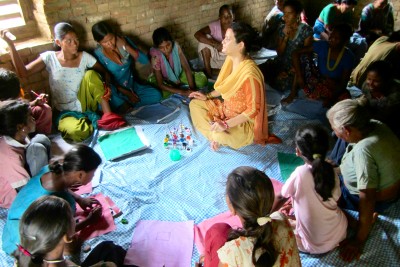
Attentive Audience: Pinky Dangi, from BASE, explains the painting idea to young artists.
Using needle and thread, the children sewed the cloth shapes onto the square backing. After finishing, they wrote the group member names and ages, and the meaning of their picture on a piece of paper. Finally, a photo was taken of each group holding their completed blanket square.
Making the squares took about a month. After all the villages had been visited, the same local tailor who had donated the scrap cloth sewed the squares together. Borders were sewn around each square and a backing for the entire blanket was added. Poorly sewn pieces were also repaired. In all, the children produced 32 squares, which were made into two square blankets.
The children decided to call their products Love Blankets, because children in labor are deprived of love and because the villages seek to give love and affection to their children. Adrienne described it as follows: “The worst part about child labor is that we can’t get any love or affection from our families because we are away from them. Blankets provide a kind of security. We feel warm and comforted when we are surrounded by a blanket.” According to BASE, the nine villages that cooperated in the project were saying:“Through this blanket we made for you, we are vowing to protect you.”
One of the blankets remained in Nepal, to be used in education. The second was brought back to the US, where it has featured in several exhibitions. Adrienne and Karie both used it in presentations at their universities, and AP used it to explain advocacy quilting to quilters in Maryland. (Several of the quilters then volunteered to participate in assembling the Ahadi quilts from the DRC). As Adrienne wrote: “Everyone generally acknowledges that children need good education. But the blanket is a great way to jump start a new conversation about education and children’s rights that may have grown old from repetition. It is a special tool because it is concrete, visual proof that children in Nepal’s poorest villages are demanding good education for everyone. Through the blanket, the children can speak directly to whomever BASE shows their work.”
The Third and Fourth Love Blankets (2011)
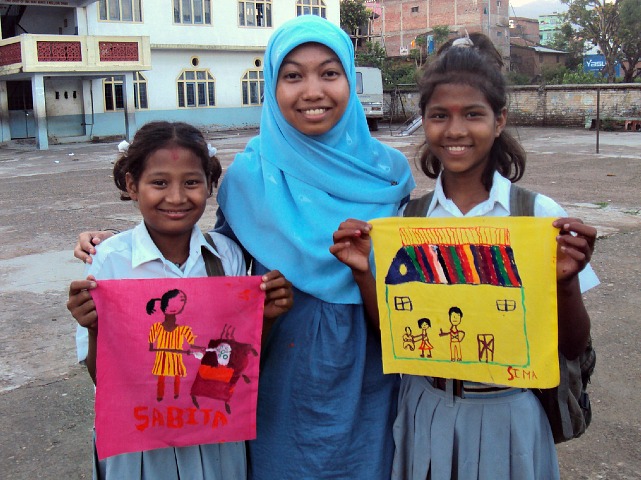
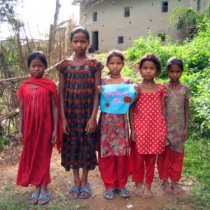
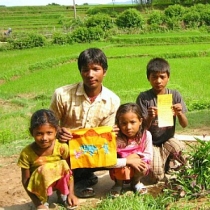
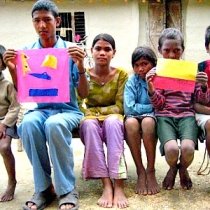
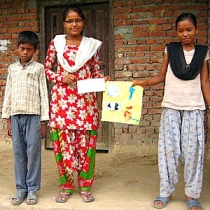
Sima and Sabitha Chaudhury, free domestic workers, are among scores of children who painted squares for the Love Blankets. They are seen here with Maelanny Purwaningrum from Indonesia, who volunteered at BASE in 2011.
The second batch of Love Blankets was produced in 2011 under the supervision of Peace Fellows Maelanny Purwaningrum (Oslo University) and Chantal Uwizera (American University). Maelanny and Chantal were the most multicultural team of Fellows sent abroad by AP. Maelanny, from Indonesia, was studying in Norway whgen she went to Nepal. Chantal’s family had fled the Rwandan genocide, and Chantal herself was studying in the US. Neither had been to Nepal before, and their curiosity about Nepal was more than matched by Nepali villagers. These affectionate encounters were captured on film in an AP video, which attracted 4,000 views within the first week of being posted. Maelanny also drew on her own upbringing in Indonesia as she blogged about going deep into the Nepali countryside to work with young artists.
Maelanny and Chantal produced two blankets and a third quilt, the Tharu Quilt, which was made from bamboo sticks and modeled on the banka, or hand fan. Chantal described the process in a blog: “The children first practice on a piece of paper and then paint those images on a piece of cloth. I suspect that this …is a foreign concept. But the children never shy away from participating and you can see their excitement the moment that the BASE staff translates into Nepali our instructions and the purpose of our visit. The children giggle, laugh at each other’s attempt at drawing a person and copy each other’s concept. The innocence of the children is undeniably the same everywhere and transcends cultural boundaries. I myself used to rely on the school textbooks for inspiration on how to draw a dog or a house.”
The 2011 Love Blankets and Tharu quilt were unveiled in public for the first time in the US by Dilli Chaudhary, the president of BASE, during his visit to Washington in November. Chantal and Karie Cross, both graduates from American University, welcomed Dilli to a panel discussion (photo). Dilli also introduced the quilts at a presentation in Washington at the Church of the Pilgrims, and showed them at meetings at the US Department of State. The two quilts were then sent to a museum in Stavanger, Norway, where they will remain on display for another year.
The Fifth and Sixth Love Blankets (2012)
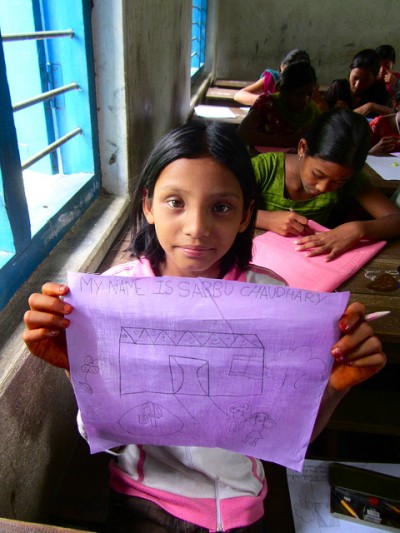
Picture this Slavery….A freed domestic worker (kamlahari) sketches out her former life for the fourth Love Blanket.
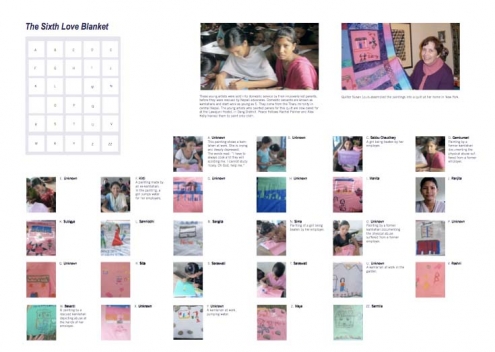
The last two blankets were made in the summer of 2012 from cloth paintings by former bonded laborers, who had been freed by BASE or other Nepali advocates and were being housed at the Lawajuni Hostel, in Dang District. The project was overseen in Nepal by Peace Fellows Rachel Palmer and Alex Kelly .
The squares were of a lower quality than in previous years. This might have reflected the dire background of the young artists, who had all worked in domestic service as kamlaharis. Some had started work at the age of five. One of the squares shows a young kamlahari at work and captures her despair. “I have to always cook and they will scolding me. Oh God, help me.”
Alex and Rachel brought back over 60 painted squares and AP turned to two experienced quilters – Onalie Gagliano and Susan Louis – to help bring them together into coherent quilts. Onalie had assembled a previous quilt from squares that were made by schoolgirls at Kakenya’s Center of Excellence in Kenya, while Susan was a newcomer to advocacy quilting. They produced two gorgeous quilts, and one was shown at the Kean exhibit through 2013. Susan, the quilter, attended the opening event.
AP and BASE have no immediate plans to produce more Love Blankets, although it is certainly possible. Our immediate plan is to produce a set of gift cards on the Love Blankets, which can be seen here and ordered online. Our main goal for 2014 is to ensure that the blankets are seen by as many people as possible in the global north, and use them to raise support for a project to prosecute employers in Nepal. AP will also approach selected schools and explore possible pen-pal relationships between students in the US and Nepal. The blankets will serve to whet appetites.
We welcome your involvement in this exciting program! Help us by exhibiting a blanket, developing a school project, ordering cards, or organizing a speaker’s event. Click here to view profiles of the young Nepali artists and contact us for information about speakers. Former Peace Fellows are available to talk about their work and child labor in general.
First
First
 |
| Children from Majgaon Village |  |
 |
| Children from Majgaon Village | 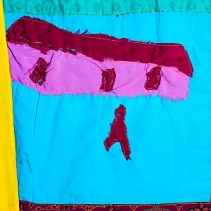 |
|
| Children from Majgaon Village | 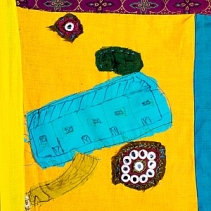 |
|
|
Children from Majgaon Village There is child labor in Nepal. Even the government has announced freedom for child laborers, but still the child laborers are working inside house owners homes and landowners homes. We want to give freedom to these children through our message. However, so much of the child labor system is out of our control. |
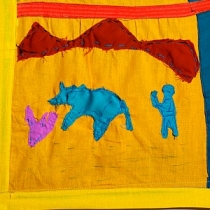 |
 |
|
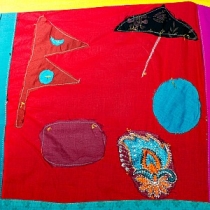
Children from Surmi Katan Village The ball is necessary for physical practice. The umbrella is used when it is raining. The soap is used for cleaning. |
 |
|
|
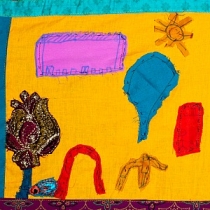
Children from Majgaon Village The message of this picture is that children are going to school. |
 |
|
|
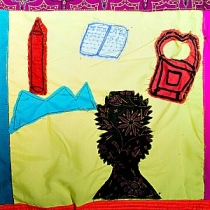
Children from Amauri Village The books are for reading. The pencil is for writing. The bag is for carrying books. The tree is for having shelter. |
 |
|
|
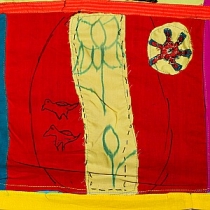
Children from Tedhuwa Village Plants absorb the rays of the sun until they grow. Only then do they become strong. If they do not get the sun’s rays, then cannot grow. Similarly, if we do not give freedom to our children, they cannot develop fully. So we have to make a fresh environment for them in order to make their future bright. |
 |
|
|
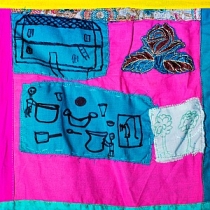
Children from Madui Village The school aged children are cleaning dishes at another person’s home. |
 |
 |
|
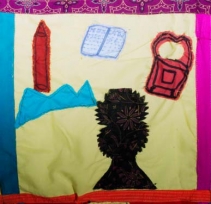
Children from Chootkigumna Village The students are going to school. Children like to go to school. The most important thing for children is education. In school, children are playing, dancing and taking quizzes so they really enjoy it there. |
 |
|
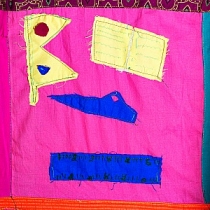
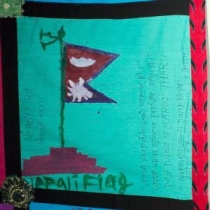
Children from Surmi Katan Village The picture shows the the flag of Nepal. Books are for reading. Pens are for writing. The ruler is for keeping inside the book. |
 |
 |
|
Children from Majgaon Village People are participating in an environment and sanitation campaign around the village. |
 |
|
|
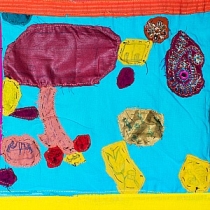
Children from Tedhuwa Village Plants absorb the rays of the sun until they grow. Only then do they become strong. If they do not get the sun’s rays, then cannot grow. Similarly, if we do not give freedom to our children, they cannot develop fully. So we have to make a fresh environment for them in order to make their future bright. |
 |
|
|
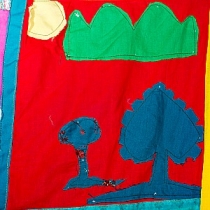
Children from Amauri Village School gives us education. We cannot do anything without (water) handpump. We get knowledge from reading books. We write with the pen. The houses with flowers are beautiful. |
 |
 |
|
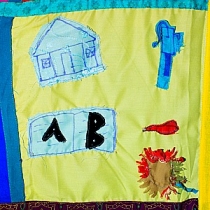
Children from Majgaon Village The messages of this picture are that water is being supplied to the flowers, children are playing football, people are going to the toilet, and the sun is coming from the east. |
 |
|
|
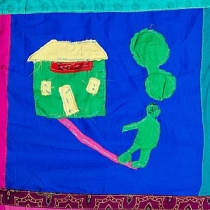
Children from Madui Village In this picture, children are shown going to school. |
 |
Second
Second
 |
|
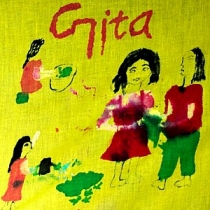
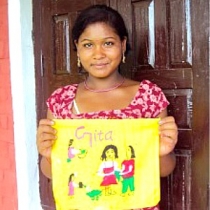
Gita Tharu I am Gita Tharu. My picture depicts a master giving clothes to the kamalari to wash. In the second picture, a girl washes the clothes. The third picture shows a little girl watering the kitchen garden. Now I live in Satgharuwa village, and am studying in grade 8. I do my household chores and go to school. Sometimes, during holidays, I work to earn money to buy books, pencils and clothes. |
 |
 |
|
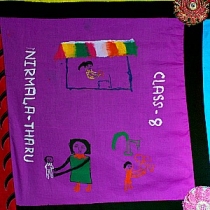
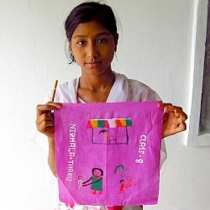
Nirmala Tharu My name is Nirmala Tharu. I am 15 years old. I used to do a lot of work in my master’s house. I used to look after the baby. Now I am studying in grade 8. An organization named FNC rescued me from being a kamalari. Now I have improved my education. |
 |
 |
|
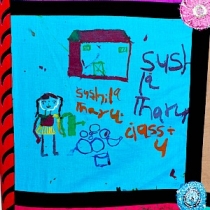
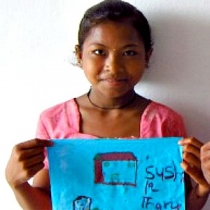
Sushila Tharu I’m 13 years old. I am studying in 4th grade. I worked as a kamalari when I was 6 years old. I used to do all the household work. The master used to give us only food and clothes. Only sometimes would I get a chance to go to school. I was always very happy to get a chance to go to school. |
 |
 |
|
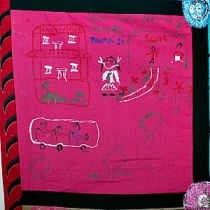
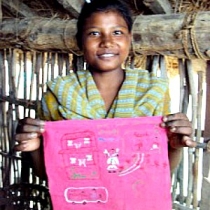
Sunita Chaudhary I am Sunita Chaudhary. I am 16 years old and studying in 8th grade. I have 9 members in my family. My father is a farmer. I worked as a kamalari in Kathmandu. I started work when I was 8 years old and worked for 8 years. I used to clean dishes, cook food, and go to school. My masters treated me well and sent me to school. I used to have time for studying at home. I wasn’t paid for my work. Now, I usually go to school and help my parents. |
 |
 |
|
Lalita Chaudhary I am Lalita Chaudhary. My picture shows a girl cutting grasses. It is not good to cut grasses instead of going to school, but sometimes we have to do it to help our parents. This is the age to go to school and study. We should give priority to studying. I want to be a good teacher. I go to school and help my parents in my free time. I also do my homework. |
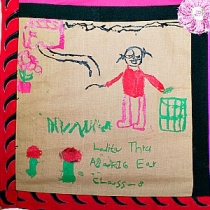 |
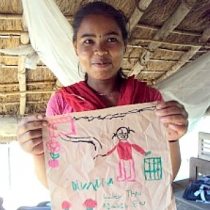 |
| Samjhana Tharu | 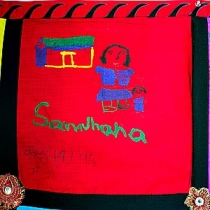 |
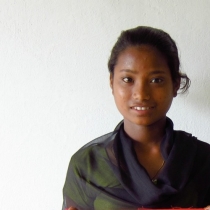 |
|
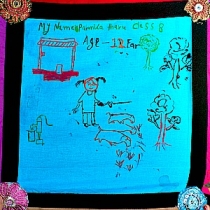
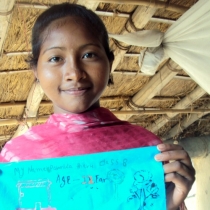
Pharmila Tharu This picture shows a girl feeding goats in the field. I don’t like this kind of work and I want to stop doing it. |
 |
 |
|
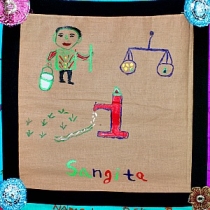
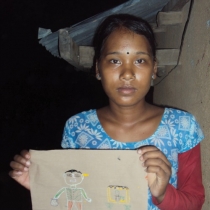
Sangita Chaudhary I’m 16 years old. I’m studying in 6th grade. I try to be a good student and want to be a great person in the future. I’m a friendly person. I help my parents and teach my younger brothers and sisters. I want to study hard and be a social worker. I’m working hard to be a great person. |
 |
 |
|
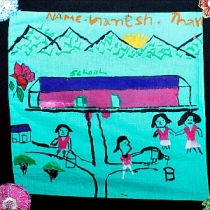
Ganesh Tharu I am Ganesh Tharu from Neulapur, 5 Bhurigaun. I am studying in grade 8 now. My painting means children should go to school. School must have toilets and drinking water facilities. There should also be accessible roadways and a playground for children. |
 |
 |
|
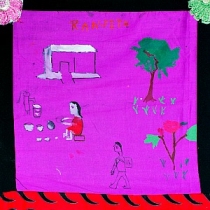
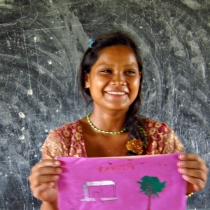
Ranjita Tharu I am Ranjita Tharu. I am studying in grade 8. I live in Neulapur 8, Satgharuwa. My picture show a girl that has to do all household work. The parents send their son to school but make their daughter do all the work because girls don’t go to school. The parents love their son but scold and beat their daughter. |
 |
 |
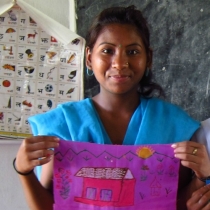
| Sarita Tharu | 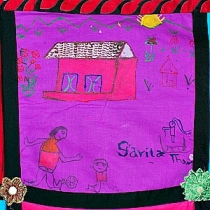 |
 |
|
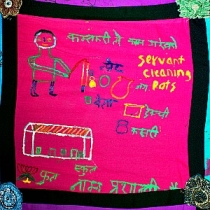
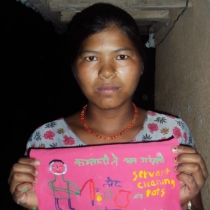
Prashanti Chaudhary I’m 16 years old. I want to be a teacher in the future. My father died of a heart attack when I was 9 months old. My mother had to raise 3 children, so I had to work at my master’s house. When I was 11 years old, my mother sent me to the master’s house. There was a buffalo at the master’s house. I had to look after it. During the rainy season I had to cut the grass in the rain. He used to make me work from early morning until late at night. |
 |
 |
|
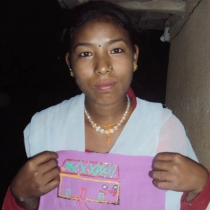
Maya Chaudhary My name is Maya, and I’m 16 years old. I worked as a kamalari in my master’s house. My master used to beat me and give me unnecessary stress. I used to clean dishes, wash clothes and do other household work. I used to sleep at 11 p.m and get up early in the morning at 4 o’clock. |
 |
 |
|
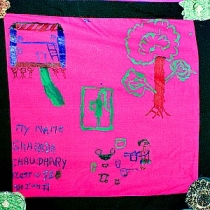
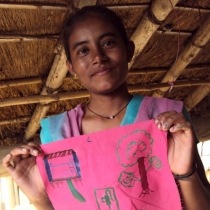
Sharada Chaudhary My name is Sharada Chaudhary. I am 19 years old and reading in class 12. This picture shows a child working. This is the age to go school. If we don’t send children to school they will have to live a life of kamaiya (bonded labor) in the future. So, everyone should go to school. Child club and child friendly village have to unite together. Nowadays, I go to school, do my homework and do my household chores. My goal is to be a teacher in the future. |
 |
 |
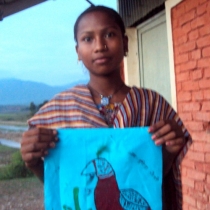
| Sunita Chaudhary | 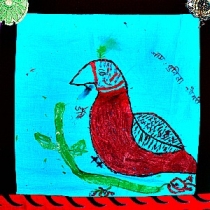 |
 |
|
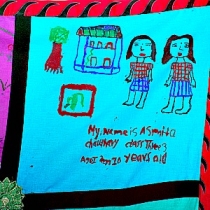
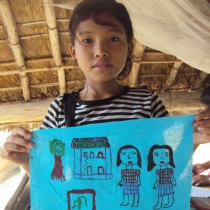
Asmita Chaudhary I’m studying in 3rd grade. I help my mother by taking care of my younger brother. I also help her by cooking food and cutting grass. Parents should send their children to school. so that the children can go to school and learn many things. If they don’t go to school, they have to work in their master’s house in the future. So, everyone must go to school. I want to be a teacher in the future. |
 |
 |
|
Saroj Tharu Thank you BASE community activists and guests. I’m very happy that you asked me to draw a picture and provided me this opportunity. I’d like to say namaste with my 2 hands. Nowadays, I’m doing social work as well as going to school. In my spare time, I’m involved in a youth movement and agricultural work. I’m waiting for my last exam results. I am also involved in several NGOs and am doing work against child labor. I would do anything to stop child labor. |
 |
 |
|
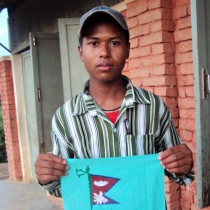
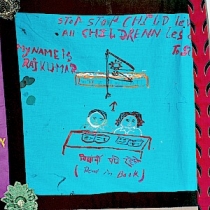
Raj Kumar Chaudhary I come from Dhuruwa 4 Kothari. I’m studying in grade 10. I like to visit new places. My dream is to be a social worker in the future. As the president of Nava Bihani Child Club, my objective is to gather all the members of the child club for regular meetings. I want to do a lot of good things for the children in my village, and inform all the parents of the importance of education in order to end child labor practices. In my village there used to be many child laborers, but now most of them are going to school. |
 |
 |
|
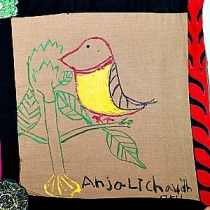
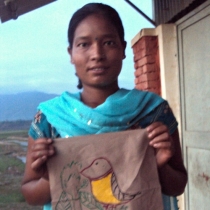
Anjali Chaudhary I am Anjali Chaudhary. I used to be a kamalari. I cooked food and cleaned dishes. My parents work at home. |
 |
 |
|
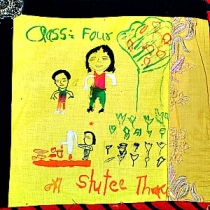
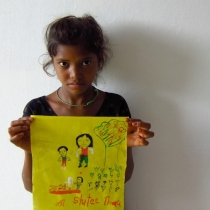
Stutee Tharu My name is Stutee Tharu. I am in 4th grade now. My picture shows a boy and a girl. The girl looks after the boy and washes dishes. These days, I live in the rehabilitation center. I have the second highest rank in my class. This place is better than my house. FNC rescued me, and ‘Room To Read’ provided a nine-month basic course and helped me to be admitted into 2nd grade. Now I am 12 years old. |
 |
 |
Third
Third
 |
| Sabita Tharu | 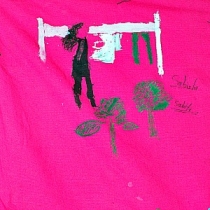 |
|
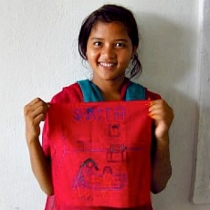
| Shrita Tharu | 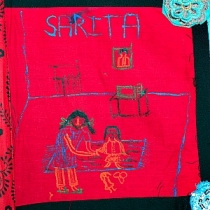 |
 |
|
Anita Tharu I’m 14 years old and studying at 4th grade. I used to work as a kamalari in Kathmandu. I ran away from my master’s house and never returned. I couldn’t bear it any longer because my master used to beat me. I used to wake up at 4 a.m, cook breakfast, prepare food for lunch, do the cleaning, wash dishes, etc. I rarely went to school when I was a kamalari. My figure shows a girl washing dishes while the master asks her to finish the work quickly. How can she finish the work that quickly? |
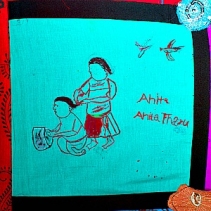 |
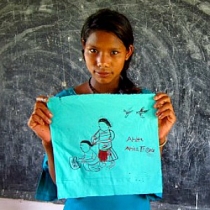 |
|
Ganesh Kumari Chaudhary I’m 16 years old and at class 6. In order to pay my parents’ loan to the master, they sent me to work at his house. My mother asked me to go to the master’s house but I refused. I said I wanted to go to school. My master promised to send me to school, but he never did. He also gave me a lot of work. My painting depicts my experience when I was beaten by master. |
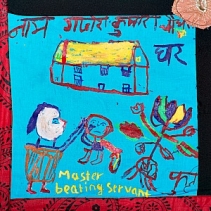 |
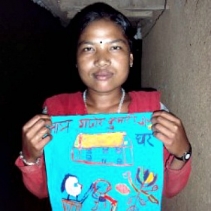 |
|
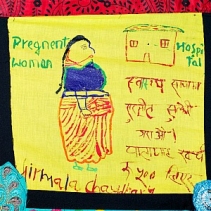
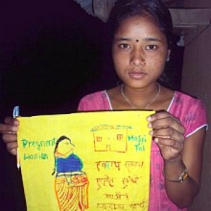
Nirmala Chaudhary I’m 16 years old. I used to work at my master’s house in Gorahi. I didn’t like it and used to cry. When I would cry, my master would scold me. He said, “I have brought and paid for you to work here, so, you have to work!” He used to make me wash his underwear too. If I would finish my work early, then he would scold me and blame me for not doing it properly. |
 |
 |
|
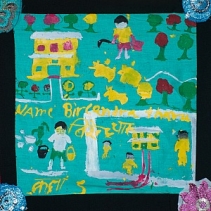
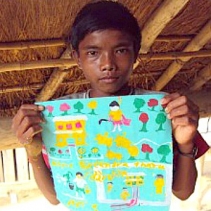
Birendra Tharu I used to work at my master’s house in Nepalgunj. Neither I nor my parents got payment from the master. My picture shows a boy looking after sheep in the forest without going school. There is a mountain, flowers and grass. The environment is clean. There is also a house. There is a water tap near the house. |
 |
 |
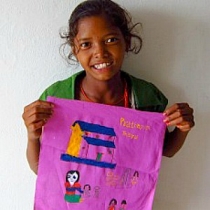
| Prathana Tharu | 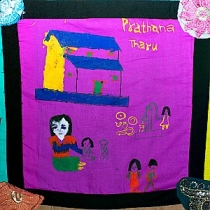 |
 |
|
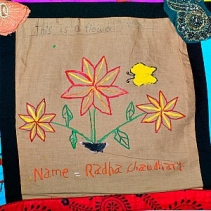
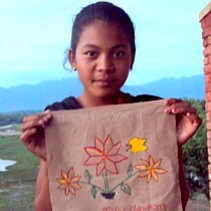
Radha Chaudhary My name is Radha Chaudhary. I’m 11 years old and studying at 5th grade. I usually get up at 6 a.m. I help my family, then go to school and do my homework. My father is a farmer and my mother is a housewife. |
 |
 |
|
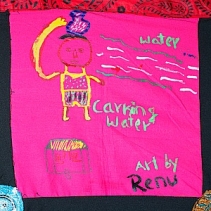
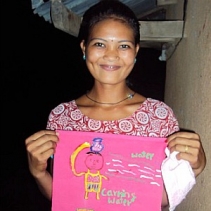
Renu Chaudhary I’m 18 years old now and studying in class 10. My school is called Shree Naradevi higher Secondary School Teghera, Dang. I want to be a teacher in the future. I usually go to school and study every day. Recently, I have been teaching younger children to read and write. |
 |
 |
|
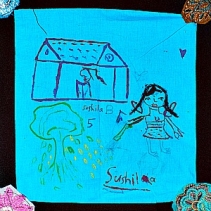
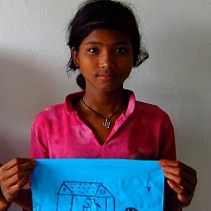
Sushila Tharu I worked as a kamalari in the past. I used to do household tasks, look after livestock and also had to clean cow dung. |
 |
 |
|
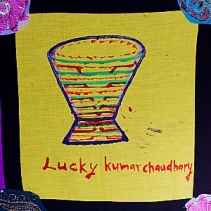
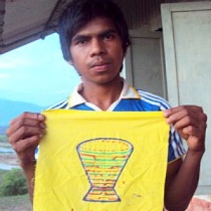
Lucky Kumari Chaudhary I live in Narayanpur. I usually get up early in the morning, have breakfast, then sometimes take a rest. After I have a meal I go to school. After school, I do my household chores. My father is a farmer and my mother is a housewife. I do my homework at 6 o’clock in the evening. I’m 18 years old. I want to serve my country in the future. After school and finishing all household chores, I play for a while and watch TV in my spare time. My painting depicts a traditional handcraft of Tharu people. |
 |
 |
|
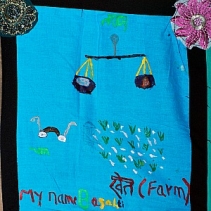
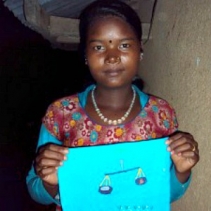
Basanti Chaudhary My name is Basanti Chaudhary. I’m 15 years old and studying at class 6. I was a kamalari at my landlord’s house. I used to do a lot of work there, otherwise my master would scold and beat me. I cried a lot when I was a kamalari. |
 |
 |
|
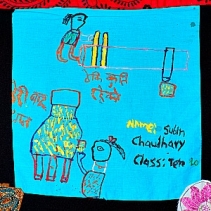
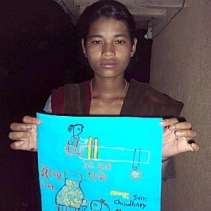
Subin Chaudhary My name is Subin Chaudhary. I live in Dhuruwa. I’m 16 years old and studying at class 10. I want to study and be a social worker. In my family there are 11 members. Our main occupation is agriculture. I’m a member of child club. My dream is to send all children to school. |
 |
 |
| Sarita Chaudhary |  |
 |
|
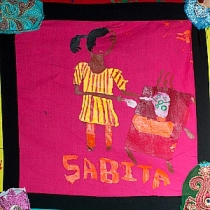
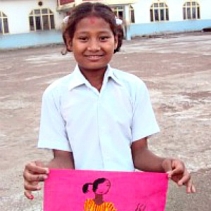
Sabita Chaudhary Before, I used to cook foods at my master’s house, but now I’m reading in School. My master used to beat me and I used to cry, but now I’m happy I’m reading at the school. |
 |
 |
| Sita Tharu |  |
 |
|
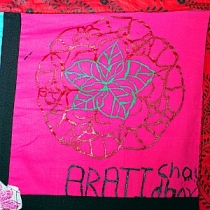
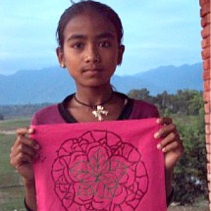
Arati Chaudary My name is Arati, I’m studying at class 6. I live with my mother. I’m 13 years old. In the spare time I like to read books. My father has gone abroad, my mother works in a farm, I also have a brother, he is at class 5. We live together. |
 |
 |
|
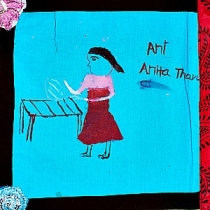
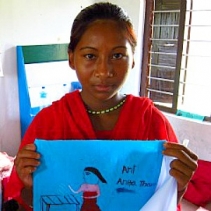
Anita Tharu I’m 15 years old and studying at 7th grade. I used to work as kamalari. My master had a shop, I helped them to serve the customer and did household chores as well. When I came home for Dasai festival, I never returned back to master’s house. I don’t like the works. |
 |
 |
|
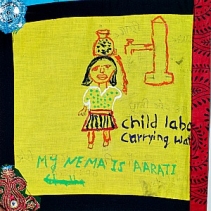
Aarti Chaudary My name is Aarti. I’m 18 years old now. When I was a kamalari, I had so many burdens. I used to go to bed at 12 o’clock at night after cleaning dishes. I had to wake up at 4 o’clock in the morning and start to cook food, wash clothes, etc. If I didn’t wash the clothes well enough for my master, then I had to do it again. If the dishes were not clean enough, my master would beat me. When I wanted to visit my family at home, my master didn’t allow me to. Due to my family’s poor economic condition I was forced to live my life as a kamalari. An organization named FNC (Friends of Needy Children) helped me to be free and enrolled me in school. Now, I’m free from being a kamalari, and continue my schooling at higher secondary school at Teghera at level 10. I like studying very much, and I like visiting new places. If God gives me the chance, I’ll be a teacher in the future. |
 |
|
| Sahani Tharu | 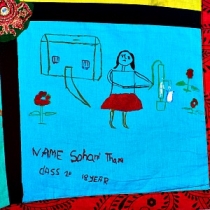 |
 |
Fourth
Fourth
 |
Fifth
Fifth
 |
|
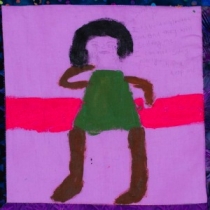
Unknown This painting shows a kamlahari at work. She is crying and deeply depressed. The words read: “I have to always cook and they will scold me. I cannot study well. Oh God, help me.” |
 |
| Unknown | 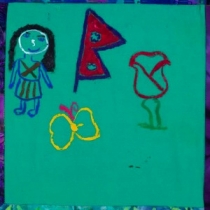 |
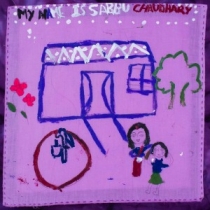
| Sabbu Chaudhary A girl being beaten by her employer. |
 |
|
Gamkumari Painting by a former kamlahari documenting the physical abuse suffered from a former employer. |
 |
| Unknown |  |
|
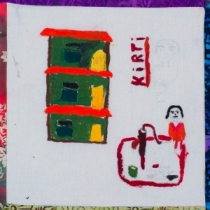
Kirti A painting made by an ex-kamlahari: In the painting, a girl pumps water for her employers. |
 |
| Unknown |  |
| Unknown | 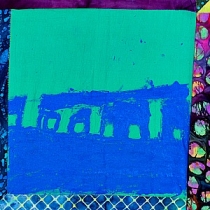 |
| Manita |  |
| Ranjita | 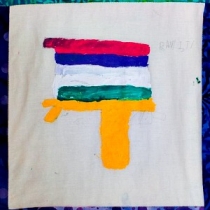 |
| Subigya | 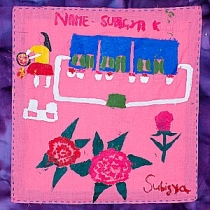 |
| Samriddhi | 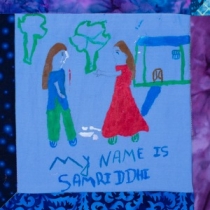 |
| Sangita | 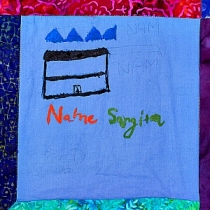 |
|
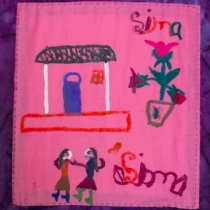
Sima Painting of a girl being beaten by her employer. |
 |
|
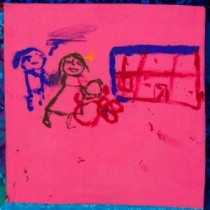
Unknown Painting by a former kamlahari documenting the physical abuse suffered from a former employer. |
 |
| Unknown | 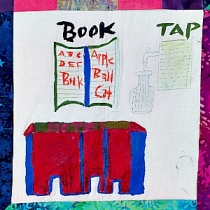 |
| Unknown | 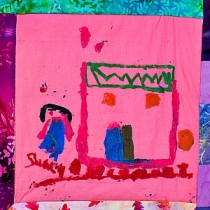 |
| Sita | 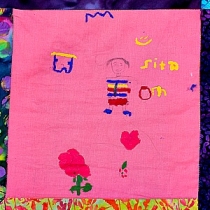 |
| Saraswati | 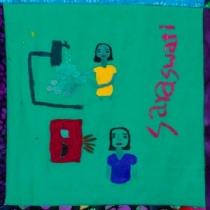 |
| Saraswati | 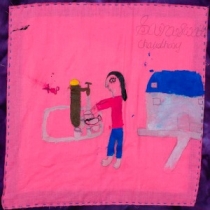 |
|
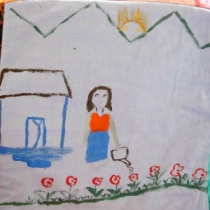
Unknown A kamlahari at work in the garden. |
 |
| Roshni |  |
|
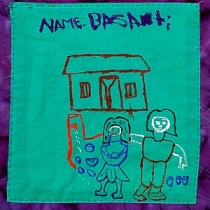
Basanti A painting by a rescued kamlahari depicting abuse at the hands of her employer. |
 |
| Unknown |  |
|
Unknown A kamlahari at work, pumping water. |
 |
| Maya | 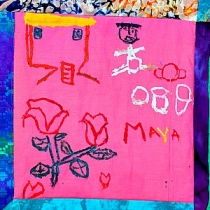 |
| Sarmila |  |
Posters
Posters
This poster can be downloaded and printed. Click on the image below.