A Voice For the Voiceless

MISSION

The Advocacy Project seeks to help community-based advocates produce, disseminate and use information, and so become more effective advocates for human rights and social justice

TAKE ACTION FOR ADVOCACY

  • News
  • FAQ
  • Subscribe to our newsletter
  • Search

The Advocacy Project Blogs

 
10/10/07

Finding Answers

Posted By: ted

And it’s over. In the blink of an eye, I somehow reappeared in the United States.

I am still in the process of sorting through thousands of memories, mental images, and learning experiences, and I must admit that I am not getting very far. (Perhaps that is why I have struggled to write this particular blog entry.) I feel like I should be able to wrap up this experience in Nepal into a neat package with a Dalit-made, handloom bow on top. But for some reason, I have not yet reached that sense of closure.

When I think back to what I expected to get from this particular AP Fellowship, one word stands out in my mind. Answers. As I wrote in my first blog entry back in May, I have studied caste. I have read essays from great Dalit leaders and thinkers, wrote papers referencing research from the great academic minds, and even drew on personal knowledge that I attained from my Indian-American upbringing in order to truly understand the caste system. But as I learned more, concepts such as caste, pollution, and “untouchability” became more confusing. I felt awkward making generalizations about this complex and pervasive hierarchy because there seemed to be more exceptions than rules. Before leaving for Nepal I had a numerous questions, and very few definite answers.

Now that I have returned, with four months of “real and practical experience” working for the Jagaran Media Center, I can confidently say that I have even more questions and even less answers. I do not know whether it can be attributed to significant differences in geography, culture, or even national politics, but I can say that caste and caste based discrimination is a different monster in Nepal when compared to India.

But throughout all of my efforts in trying to make sense of caste hierarchy, there is one brief conversation that I had in my last week in Nepal that gave me a simple undeniable truth that I had been looking for – an actual answer to a question (perhaps many questions) that I had about untouchability. I was speaking with Lalbahadur B.K. a member of the Bishwakarma caste. Before our conversation I had briefly pondered why the Bishwakarmas were even classified Dalit because their traditional occupation has always been metal working. Bishwakarmas are skilled artisans and craftspeople who work with brass, iron, steel, and even gold, as opposed to the stereotypical Dalit laborers who deal with animal skins, carcasses, or human excrement. In my conversation with Lalbahadur I explained my thought process and asked him his opinion. I wanted to know if he had any idea why Bishwakarmas were Dalit.

His explanation went something like this, “We are Dalit because they [members of higher castes] call us Dalit. We did not choose this status.”

He did not go into Hindu Theology. The words “pollution”, “untouchable”, “hierarchy”, and even “caste” did not come out of his mouth. He didn’t even get political. His answer was simple, but said so much. No matter how much one attributes caste hierarchy to Hinduism, it is individuals who keep the system as a tool for oppression. Actual human beings, for whatever reason, feel the need to degrade and demoralize their fellow man. They may do it in the name of tradition and religion, but regardless of their justification, they do it.

I find this frustrating. And I know that this situation has been prevalent through many parts of the world. Individuals create divisions based on race, religion, ethnicity, gender, caste, sexual orientation, and the list sadly goes on.

I know it will be a while before I can clearly articulate what I have learned and what I have gained from this Advocacy Project experience. I feel incredibly lucky to have seen all that I’ve seen and to make so many friends throughout my time in Nepal. But at the same time I feel a responsibility to inform others of the situation of the Nepali Dalit and, by creating international awareness of this key political and human rights issue, maybe change will slowly occur. I am armed with a million questions, and only a few answers, but that just might be enough.

09/13/07

Vendors, and Beggars, Drug Hawkers.... Oh My!

Posted By: ted

It is a sight that is far too common. A traveler walks through the crowded streets of Thamel – the tourist haven/slum of Kathmandu – followed by a horde of souvenir vendors, beggars, and people who promise to sell them the best marijuana in the country.

Toto, we're not in Kansas anymore.

It doesn't matter if the traveler is male or female, old or young, well dressed or ragged, a Nirvana-seeking hippie or an simple, kind-hearted person who happens to be wearing ruby slippers... as long as she is foreign and she is physically there, then she will get hassled to no end.

I genuinely sympathize with tourists who go through this unending ritual of harassment. It happens to me as well, though I probably deal with it less than my blonde haired, blue eyed counterparts. In theory, I support the tourists stalkers of Thamel, even if I don't agree with their aggressive tactics, because they (like the rest of the world) need to make a living in a competitive environment.

Recently, however, there were two incidents that allowed me to view the strained relationship between locals and tourists from a new perspective.

The first occurred last week. I was sitting in the office of the Gandharba Culture and Arts Organization, when a foreign (as in Non-Nepali) couple walked in. They had arrived in time for the daily folk music concert, but rather than appearing excited to hear a unique style of music, the pair looked bewildered and rather annoyed. Remembering the overwhelmed feeling that I experienced the first time I went to the GCAO, I tried to ease them into the situation by striking up a friendly conversation. The response I got was surprisingly cold and rude. They would not make eye contact with me or even look in my general direction the whole time. The most I could get from them was curt, one-word answers.

As I was ready to give up on the pair, one of them asked me how I learned English so well. It hit me... they thought that I was a Gandharba. Immediately after learning that I was American, the young husband and wife were much more friendly. I, on the other hand was a rather put off by the fact that they treated me so differently when they thought I was a local.

After this encounter I became more interested in the interactions between GCAO members and tourists in the area. As the Gandharbas act like the wandering minstrels of Thamel by playing folk music on their sarangees while strolling down the streets – all in hopes of selling an instrument or a CD – their interaction with non-Nepalis is quite frequent but not always pleasant.

Earlier this week the members of the GCAO and I planned a small project. Basically, we worked it out that I, armed with a "hidden" video camera, would follow a young Gandharba musician as he tried to invite tourists to the GCAO daily concert. Within the first 10 minutes of shooting, I saw just a bit of what the Gandharbas have to go through every day. Though the musician was fairly talented, he was consistently ignored and avoided. He even incited a few glares. He was not overly obnoxious or even that aggressive, but he still couldn't get anywhere. (One Australian woman did talk to him for a bit, but she also noticed that I couldn't hide my camera very well.)

After our short session I could not help but feel for this particular musician. After many of the unproductive exchanges he experienced, he would look over at me with a disappointed face, but would move right back on with his work. Going back to work is all he could do, because that is the only way he would be able to make a living for himself and promote his organization.

As I reflect on these experiences, I know better than to harshly judge the tourists involved. And I am certainly not suggesting that they start allowing drug and souvenir vendors, beggars, and other aggressive locals to walk all over them. I respect the fact that most of us foreigners have to keep sane in the uncompromising Oz that is Thamel. But I hope that as they think "There's no place like home", they can realize that not every local person they encounter is a flying monkey.

09/12/07

The Gandharbas of Nepal

Posted By: ted

I thought I'd share this piece that Ganesh Gandhari, a member of the Gandharba Culture and Arts Organization, and I put together. (Ganesh acted as the primary author, but I helped a bit with the structure and grammar of the article.) It gives a short personal personal perspective of the history and current struggles of the Gandharbas. It was published in the JMC eBulletin and can be found on the JMC website

***

The Gandharbas of Nepal

We, the Gandharbas, are said to be the people who played music with the gods. For centuries we mastered the art of creating, crafting, and playing musical instruments which have become integral to Nepali culture. Our musical tradition is nothing less than our passion, livelihood, and identity as a community.

Despite our rich history and traditions, the current situation of Gandharbas is not good. As Dalits, our rights have been curtailed and there are no opportunities for our people. And as modern entertainment technology continues to advance, society increasingly ignores the beauty of our live performances. Some of the most talented musicians from our community are reduced singing in the streets in order to make enough money to survive.

Gandharbas cover only 0.03% of the whole population of Nepal. With our small numbers, the government has found it very easy to ignore us as a community. We lack educational and job opportunities. Consider the literacy rate among Gandharbas. Only 31.12% of our caste can read and write and, within the context of this discussion, a mere 18.1% of the female Gandharba population is literate. It is yet to be seen how we can advance as a community if we cannot even educate our own children.

And now we face an even larger crisis. Our art form is slowly dying. Many talented Gandharbas are realizing that playing music and singing is not going to sustain them or their families. In village areas, our musicians can only rely on a bit of leftover rice and perhaps some alcohol as payment for their performances. Within the cities, our fates depend on the strength of the tourist season. This has driven many young Gandharbas to pack up their instruments forever and take on menial and often dangerous jobs in Nepal, India, and the Middle East.

As we await the upcoming elections, and hear the slogans of a New Nepal, I wonder if the situation for the Gandharba people will change. Hopefully, we will gain the recognition that we deserve as a gifted musical community, and hopefully that will happen within my lifetime.

Presentation: Ganesh Gandhari
Edited by: A. Ted Samuel

09/07/07

Blasts

Posted By: ted

I was a bit late in hearing the news. I had spent the previous few days lying in bed with the flu and failed to realize that the world was continuing its course, whether I was healthy or not. When I returned to the office on September 3rd, the first thing my German colleague, Matthias, asked me was "Are you okay?" followed by "Did you hear the news?" Not having taken the time to read a newspaper while I was ill, I had no idea that three almost simultaneous bomb blasts killed two and injured dozens of innocent citizens just a few kilometers from where I live and work.

The next few days I kept my eye out for anything suspicious, unexpected, or remotely shocking in Kathmandu. What I have seen so far though has been definitely unexpected and somewhat shocking. Many people are continuing their lives like nothing happened. Colleagues joked about near death experiences (as many of them were in the vicinity of the targeted locations within minutes of the blasts) and went back to work as usual. Traffic is still busy as ever and shops and local businesses in my area continue to operate without a hitch. Other than a protest near the United World Trade Center – a popular shopping mall in Kathmandu that was affected by the blast – which delayed my travel to the bus station a few days ago, I have not experienced anything that has changed my day to day life. (And considering that protests happen here on a daily basis, I would hardly consider the protest at the UWTC out of the ordinary.)

And why? If this had happened in a US or European city, there would undoubtedly be a significant degree of panic followed by propaganda. Perhaps I am too removed from the people who were directly involved and immune to the politicization of the whole event (partially because I do not know Nepali), but the reaction to this tragedy seems far more relaxed than I expected.

Could this lackadaisical response be the result of 10 years of civil war? After all, if such events happened more frequently and caused even more damage in the past, it makes sense that "another attack" would just be drops of water in an ocean of insecurity and violence. Or could the fact that the concept of fate, being so prevalent in Hinduism, had made people think that this event was destined to happen (and those individuals were meant to die) in accordance to divine, supernatural laws that no one can control.

Or could it be that I have lived in such a safe and protected environment that I unrealistically expect people to react with a bit more concern and even panic?

08/29/07

Food for Thought

Posted By: ted

Everyone has their minor addictions. Mine is food, and I'm proud of it. I love healthy food, fresh food, fried food, "ethnic" food, junk food... and the list goes on. I often think about it, talk about it, plan entire vacations around it, and even occasionally dream of the many flavors that my tongue has had the pleasure of tasting over the past 24 years.

So naturally, when communist leader Prachanda mentioned the most delicious food he had ever eaten in a speech at the National Dalit Citizens Assembly, I paid extra close attention. He reminicently told the crowd that, during his childhood, a Dalit friend's mother always used to generously feed him. And, despite his parents' protests, the young Prachanda (who was then known as Pushpa Kamal Dahal) always came back for more. [See Prachanda's Speech on 6/20/07 for full details.]

Before listening to Prachanda's comments, I had never really thought much about Nepali-Dalit cuisine. The obvious reason for this is because Dalit cuisine hardly gets any public exposure or the credit it deserves. This unfortunate circumstance is likely the result of some archaic beliefs, which contend that the mere touch of a Dalit - or person from an 'untouchable' caste - is considered to be polluting. And, bearing in mind, the cultural and religious importance of food in South Asia, many in the population wouldn't even consider ingesting food prepared by Dalits. Therefore, it is difficult for Dalits to promote and enhance their gastronomical abilities.

I also can't help but mention the the ignorant notion (which that I have personally been subject to) that Dalits, being among the poorest people on earth, could not possibly make contribute to the world of cuisine. Or could they?

Since pondering this question, I have embarked on a project which allows me to explore both Dalit cuisine and the lives of the women who prepare it. I am currently in the process of profiling Dalit women from various castes, educational backgrounds, and career paths, while learning some of their favorite recipes along the way. I hope to integrate the recipes I collect with a historical and cultural analysis of the dishes at hand as well as the life stories and insights of these amazing women into an awareness raising "cook book".

While I thoroughly enjoy every aspect of this endeavor, there are minor challenges I face along the way. The most obvious of these is the fact that I am a man and, in a society that promotes a certain amount gender segregation, it has been difficult for some of the women who volunteered for this project to fully open up to me. This, however, has been somewhat alleviated by the fact that I break a few cultural norms actually cook side by side with my cultural and gastronomical consultants. (Sometimes I must argue that in order to learn how to prepare Nepali food, I must actually cook with an expert. It's an argument that has proven to be most effective.) So together, these women and I (usually in the presence of a few friends) chop vegetables, wash dishes, mix ingredients, and eat the finished meal at the end of our session. There is something about the fact that we had worked together for a common goal – in this case, the preparation of a delicious meal – that makes the profiling aspect of this project more natural for both me and the women volunteers.

The food so far, has been amazing. I have prepared and eaten dishes that I have never even heard of before, much less tasted. I am also learning the innovative ways that Dalit's from all regions of Nepal have maximized the limited ingredients they can afford to produce flavorful recipes which are worthy of any swanky, haute-cuisine restaurant.

What is even better than the food though, is the experience of it all. This cook book project has allowed me to learn from talented, intelligent, and funny individuals who share the most positive spirit, despite the fact that they are routinely discriminated against because of their gender and caste. These women, who so willingly volunteered their time and efforts for this project (and who became my friends in the process) are helping make this cook book one of my most fulfilling achievements in Nepal.

08/23/07

The Bandha Conundrum

Posted By: ted

Kathmandu is uncharacteristically silent today. The air is a much cleaner than usual and the roads seem a bit safer as vehicles (which are infamous for spewing soot laced fumes, swerving drastically, and honking for dear life) have altogether disappeared. There are random groupings of policemen and army officials lazily sitting under trees near the sidewalk. And, to my dismay, nearly all the businesses on New Baneshwor Road, including my favorite restaurants, did not even bother opening this morning.

There is a citywide bandha today. The mere mention of this word – which technically means "closed" – introduces a confusing mix of thoughts and emotions in my head. The bandha is a very formidable form of civil disobedience where roads are forcibly blocked off, preventing the flow of food, medical supplies, and passengers. Also, if properly planned, a bandha can shut down all commercial activities in a given area indefinitely. This form of protest is extremely damaging to the economy and the everyday lives of individuals who rely on transportation. In short, they should not be taken lightly. But who instituted today's bandha? It may come as a surprise to many, but the Dalit Citizens' Movement (in cooperation with a few other indigenous citizens' movements) planned and executed this city wide shutdown.

(And my internal debate commences…)

Even before coming to Nepal, I was familiar with the Indian concept of bandh – which is, in essence, the same as the Nepali bandha minus the extra "a". Having studied South Asian history in college, I know that bandhs were very effective in India and Pakistan's independence movement in the early 20th century. These "strikes" shut down major cities and seriously crippled local and international economies. I always – perhaps naively – idealized these history-altering bandhs as they required great deal of strategy, unity, and sacrifice from local citizens and national leaders in their intense battle of wills against the British Empire.

From what I understand, many of the contemporary bandhs that occur in India have lost the same spirited quality as those that carried out by freedom fighters a century ago. I cannot personally comment on this matter because I have never experienced a bandh during my time India over the past few years, and was certainly not alive during the Independence Movement. All I know is that they have technically been banned by the Indian Supreme court because, when not conducted responsibly, the bandh can be an unwanted enemy to a productive society.

It's a new millennium and this time Nepal is the nation that is tackling intense political changes. In turn, it is also facing hundreds of bandhas. A majority of the bandhas that I witnessed (and I have witnessed quite a few in the past 10 weeks) have failed to demonstrate any positive purpose or tangible results. (This is especially true of bandhas outside of the Kathmandu valley.) These detrimental demonstrations seemed less motivated by principle and more by greed, revenge, and boredom. Many of these bandhas were conducted by a select few with only their individual interests at heart. They rarely made a point and they seriously impacted countless innocent citizens… all as a consequence of petty, selfish circumstances.

For instance, a group of truck drivers blocked a major highway near the western city of Dhangadi – leaving tons of fresh produce to rot in the sun and hundreds of passengers (including Devin, Prakash, and me) stranded in the town for days. They instituted this bandha because the Young Communist League (YCL) had damaged a vehicle that a fellow driver operated on the other side of the country. (To my knowledge, the driver was not harmed.) Even though no one in their group actually owned the vehicle, they still insisted that they should receive financial compensation for it and would not lift the road block until their demands were met. They were, however, reluctant to mention that the reason the YCL damaged the vehicle in the first place was because the truck's driver plowed through a previous YCL organized roadblock/bandha.

In another small town near Nepalgunj a group of young men placed large rocks and rustic cement barriers on the road while refusing to let traffic pass until they too received financial compensation from a reckless driver who injured a young girl. (Most of those men were clearly intoxicated and I often wonder if they even knew the victim.)

And about a week ago near the Chitwan National Park, a group of 10 year old boys, realizing that anyone and everyone could organize a bandha, decided to block off a road near the village of Sauraha. To this day I have no idea what those kids were "protesting" but they seemed to be enjoying themselves in the process.

Earlier this week, when I heard that the Dalit Citizens' Movement was going to coordinate a Kathmandu-wide bandha, you can imagine my confusion and frustration. While I wanted to picture the courageous and meaningful bandhs of the Indo-Pakistani Independence movement, I couldn't help but keep the memories of previous, pointless bandhas out of my head.

Also, for months Dalit leaders have been insisting that they want to use peaceful, non-disruptive methods of demonstration. Granted, until this point, all of their demonstrations were just that – peaceful and non-disruptive. I was personally able to witness sit-ins, a hunger strike, a National Citizen's assembly, and even a cultural rally where musicians and artisans marched the streets while playing music and chanting. But as the Constituent Assembly elections are approaching (and these elections could very well determine the future of the nation and the Dalit people) many of the Dalits' social and political demands are still unmet. Maybe drastic times call for drastic measures, but I have never seen a bandha lead to anything good. What would make this particular demonstration more worthwhile than others?

I can't give a complete answer to this question, but the more I think about it the more I see how today's demonstration is more meaningful, effective, and perhaps history-altering than all of the other bandhas I experienced in Nepal. First of all, it is not centered on personal gain but, instead, serves a huge portion of the Nepali population which has been ignored and marginalized for centuries. It seeks to ensure that Dalits (as well as the respective indigenous groups involved) will play a role in the political process here and have their voices heard for generations to come. Also, one can already see that this bandha is extremely effective in getting a strong, well-articulated message to the current leaders of Nepal's political parties as well as the international constituency here in Kathmandu. This demonstration is personally affecting those leaders who currently make the decisions in this country, and the demands from the Dalit community are becoming more and more difficult to ignore. Finally, it is now apparent to members of the Nepali public that this bandha is part of a larger process that will continue until the situation for Nepal's poor and disadvantage communities improves.

Decades from now, the hunger-strikes, sit-ins, cultural rallies, and yes, even bandhas organized by the Dalit Citizens Movement will hopefully be judged in a positive light by historians. Despite my initial frustration with the whole idea of a Dalit organized bandha, I hope that it makes a constructive, history-altering impact much like the bandhs of early 20th century India and Pakistan. And I hope to look back and be able to say "I remember the day that Kathmandu basically shut down. I remember that most of the businesses were closed and that I couldn't even find a restaurant for a quick meal. I remember the impact that particular banda had.... I remember because I was there."

08/10/07

(Even More) Arrested Developments

Posted By: ted

My colleagues who were involved in the protests at Singha Durbar did not return to the office yesterday. Even though we expected them to arrive sometime in the afternoon - as they had done in the demonstrations earlier - I was not incredibly worried about thier safety as I walked home.

Today, however, I learned that the demonstrations got a bit more heated. Rem Bishwokarma, for instance, showed us bruises he got during the arrest. Suvash Darnal, the chair of JMC, recounted how women protesters were harrassed and "mishandled" by the police. These events sparked even more protests in other parts of Nepal. Obviously the playful game-like pattern that I had described in yesterdays blog entry didn't apply to the third day of these consecutive protests.

This incidence just serves as a reminder of how serious the political and security situation is over here. Nothing can be taken for granted in this time of uncertainty.

08/09/07

Arrested Developments

Posted By: ted

Nearly a quarter of the JMC staff and volunteers were arrested two days ago as the result of a sit-in protest at Singha Durbar, a temple facing the entrance of Nepali Parliament. They were released within a few hours and no one seemed to be hurt or even the slightest bit perturbed. Yesterday almost half of the JMCers were arrested again - same circumstances, same results. This morning, I would guess that about three quarters of the staff were arrested for the third time this week. Right now Devin and I are sitting in the office, simply waiting for them to come back and recount their stories.

For weeks I have heard stories of my colleagues getting arrested after such protests. At first the news shocked and scared me, but soon after I realized that the situation was not nearly as grave as I suspected. In fact these arrests are almost like a game. From what I hear, the police are not forceful and often joke with the protesters. The demonstrators go with the police rather peacefully and even playfully tease the officers. After their release they gather again – sometimes a day, week, or month later – and the process continues. The legal issue in the whole matter deals with the location of these protests – Singha Durbar is a largely restricted area.

So what does this accomplish? (I find myself asking that question a lot nowadays.) Of course there is the local publicity that these protests generate as well as the fact that my colleagues are making a visible statement of discontent to government officials and the public. Hopefully, after these demonstrations, more people will know and understand the demands of the Dalit population for the upcoming elections and beyond. But I sometimes ask myself if news of these protests would reach a wider audience if they were a bit more sensational. Surely there is some intrigue to the systematic pattern of quiet protests followed by peaceful arrests… but there are times when I wonder if a burning effigy, a couple of megaphones, and images of police brandishing large sticks would make these demonstrations more compelling to an international audience.

While a "sensational" protest might provide a few interesting photographs and a news blurb or two, I think my colleagues have the right idea in the long run. They are demonstrating civil disobedience while respecting their fellow Nepali citizens. This is not a common combination of practices in Nepal. Since I have been here, I have read articles of buses being burned, property being damaged, and livelihoods being ruined, all in the name of protest and retribution of past wrongs. I have, on several occasions, personally experienced the frustration of road bandhas – a practice where a few people with petty grievances can cripple entire regions of Nepal by blocking major roads, making transportation of food, supplies, and people impossible for days on end.

At the end of the day, what do these "sensational" forms of civil disobedience accomplish? Obviously not much, because the problems that existed before these violent events still persist and are often magnified. All the while, the army and police – from what I've seen – rarely get involved because of the possible political implications.

The results of the demonstrations that my JMC colleagues organize and participate in are yet to be seen. They may or may not have their demands met before the November elections but you can't help but respect their peaceful effort. And there is always the potential for plenty more arrests between now and November.

07/19/07

News

Posted By: ted

A seven year old boy was forced by his school teacher to lick his own feces in front of his peers. A 12 year old Dalit girl was gang raped and then killed in the Siraha district. Scholarship money reserved for Dalit children has repeatedly been embezzeled by upper-caste school administrators.There are so many stories of Dalits – men, women, and children – being attacked for entering places of worship and taking water from "public" taps. These human rights abuses sound like something out of a history book – they couldn't have possibly happened in this day and age.

But the truth is these incidents all occurred within the past 14 months.

But how many people actually know about these incidents? Have the stories been printed in the in the The Kathmandu Post, The Times of India, the Guardian, or the New York Times? Has Kantipur, CNN, or The BBC, ever reported on these incidents?

Granted, news happens everywhere. People are dying in Iraq and Darfur. Barack Obama and Hilary Clinton are raising more money than I will ever see in 10 lifetimes for their presidential campaigns. Paris Hilton went to jail, was released, went to jail again, and was seen at a night club just a week ago. At the end of the day, the media can only cover so much.

But what happens to the stories of these victims in Nepal? What happens to the few local reporters who risk violent retribution for investigating these incidents and trying to report and publish these stories?

One of the goals that Devin and I have been prioritizing lately is reviving the Jagaran Media Center's eBulletin. For a year and a half, this monthly newsletter provided a voice to Dalit journalists by publishing their stories and reports. It also served as one of the only consistent, organized news sources of Dalit related issues in Nepal, circulating this information locally, nationally, and internationally and archiving stories for future advocacy campaigns. (In fact, I found the above stories in the eBulletin Archive. I had much more difficulty finding the same types of stories in other electronic news data bases – if I found them at all.) Unfortunately, running this newsletter required money, a resource that has been limited lately, and they shut down its operation in early 2007.

Finding the funding and resources for the JMC eBulletin's revival has provided its ups and downs. I have to admit, there are times when I get frustrated when it comes to this project. For the past two weeks, Devin and I have been glued to Microsoft Word, spending hours of our day pouring over proposals, letters of inquiry to grantmaking organizations, and gathering and helping translate news stories for a sample newsletter to give potential donors. Some days I wonder if our efforts will amount to anything, or will just be time wasted in front of a computer.

At these times of frustration, I have to let these stories serve as my motivation. People need to know what is happening here in Nepal. There needs to be national and international pressure placed perpetrators of such violent and disgusting acts against humanity. The victims need to be identified and aided in their rehabilitation. The eBulletin, before its production was stopped, was able to accomlish this on many occasions. Hopefully it can be revived and continue to serve as a voice to the Nepali Dalit community.

07/12/07

Totally Gross

Posted By: ted

"Gross" is a word that I try to keep out of my vocabulary, especially in this part of the world. My experience in India has taught me that there will be days when you sweat so much that your fingers prune. I learned that you always have to watch your step while walking on the street for fear of getting animal (or human) excrement all over your shoes. I now know that are a few temples where you have to avoid stepping in a puddle of goat blood after a fresh round of sacrifices. (Don't even get me started on Delhi Belly stories!) But once I start thinking, "This is so gross", then I stop appreciating the beauty of the bigger picture around me and start to focus on uncomfortable details.

There was, however, a 48 hour span, during my big road trip through Western Nepal, when I couldn't avoid being grossed out. (I affectionately refer to this time span as the two grossest days of my life.)

It started out with an epic 8 hour bus ride from Butwal to Nepalgunj. The scenery offered by the Terai was beautiful beyond belief, but I had other problems. The man behind me insisted on coughing on the back of my neck for the greater portion of the journey. He wasn't an incredibly old or even a sick-looking guy (although I frequently questioned what disease he might have). He was a normal young guy who couldn't take a hint. I often turned around and glared at him and even purposefully coughed into my hands 2 or 3 times while he watched me. Though he seemed to understand and would even start to cough into a handkerchief for a bit, he would just as quickly resume using the back of my neck as a cough shield.

The 8 hour coughing spell was bad, but the worst was to come. We had a rather enjoyable afternoon in Nepalgunj where we met with a fascinating reporter and caught glimpses of Nepal's Muslim population. But, considering time constraints, we decided to move on to Dhangadi later that evening. That meant another long bus ride with no possibility of a shower until the night. Due to an unlucky road closure [See The Bandha Conundrum entry for the frustrating details.] we were left stranded with the rest of our mini-bus crew in the tiny village of Lamki.

There was only one guest house in Lamki with room for 3 people, and, to make a long story short, it was far from anyone's ideal. For about 65 cents per person, we had a dimly lit room with spit stained walls, a curiously wet trash can, numerous flying insects, and three beds with mattresses that looked like they hosted lice and other unnameable parasites. And to top things off, there was no bathroom at all, meaning no way to wash off a days worth of grime!

Luckily we were saved… before settling in, the road opened up and our mini-bus driver told us that we could make it to Attariya, a town near Dhangadi, before it got too late. We arrived in Attariya around midnight and there was, again, only one open guest house with a room for 3 people. And, believe it or not, this room was even worse than the accommodations in Lamki.

After a restless night's sleep (I concentrated for most of the night, making sure that none of my bare skin came in contact with the mattress…), we proceeded to the rural Doti district. It was a new day and suddenly I felt optimistic, even if my skin was covered with dried sweat, grime and cough residue.

The first hour of our mini-bus ride to Doti was enjoyable. We were leaving the heat of the lowlands and beginning to catch the cool breezes and lush vegetation of the hills. But as we continued, we picked up more passengers and the little mini-bus became crowded to the point where a young woman had to sit in the little aisle between my seat and the back of the bus driver's seat in front of me. My already minuscule amount of legroom was completely cut off. We were so cramped that our knees were jammed together as we shared the same tiny window. Still, the scenery and temperature made the ride bearable.

After 40 minutes into the trip, though, this young woman did the unimaginable… she started to vomit full force out the window. The fact that her head was about a foot and a half in front of me was disturbing, but that was not the worst of it. The wind and movement of the bus forced little stringy flecks of puke to fly back into the vehicle, and directly at my seat. I dodged a fair amount of this but the back of my seat was not so lucky. If she had vomited only once, it would have been uncomfortable, but she took my discomfort to a new level by vomiting 3 more times throughout the trip. And even though I insisted to my travelling comrades that I didn't get the slightest amount vomit on me, I knew deep down I was kidding myself.

We arrived in Doti later that afternoon, and the first thing I did was take a long bucket bath. (I went through 2 buckets of water…. one for the coughs, sweat, and grime, and another one for the vomit!) Immediately afterward, I fell asleep on a clean bed, hoping to wake up in a few hours and forget the past 2 days.

It is now two weeks after the fact, and I have only recently been able to write about the two grossest days of my life without getting a little shiver down my spine. To be honest, I can actually chuckle at the memory of those two days… who would have thought it possible? After all, you can't cry over spilt vomit.

07/04/07

Hopes and Dreams

Posted By: ted

When I was in elementary school, I knew that I would be an astronaut when I grew up. After tasting the spotlight in my fourth grade play, I decided that I could be an actor too. My father was a doctor, so maybe practicing medicine was in my blood? Or I could just live the simple life as an animal trainer at Sea World.

They were haphazard and scattered, but these wild ideas that I formed about the future – these dreams of the person I would become and the career I would undertake – were vital my childhood and teenage years. I reveled in the fact that I had choices and, even more significantly, I believed that I had the means to make some of my crazy dreams come true. I had supportive parents, a good education system to rely on, and the simple ability to imagine and hope for success.

Last week, I met a Dalit girl named Ahuti in a tiny village in the Doti District of Western Nepal. Ahuti was studying in the 4th standard (the same year in school that I decided to become an actor), but you wouldn't have guessed it. She was 14 years old. The inability to attend school regularly had impeded her educational advancement. "But at least she is learning…", I thought.

Before actually speaking with Ahuti, our little group (Devin, Prakash, and I) had the chance to spend some time with Ahuti's grandfather. Devin and Prakash asked a few questions here and there, but I didn't contribute much to the dialogue. The whole time I was listening to them while observing our surroundings. I noticed the claustrophobia-inducing mud house where Ahuti and her entire family lived. I watched her younger sister take care of an infant (perhaps another sibling?) as dozens of gnat like insects swarmed around their eyes and gathered in their tear ducts. I listened to her grandfather speak to Prakash about the death of his son, Ahuti's father, due to lack of medical care. These circumstances seemed overwhelming to me, a well off Indian-American dreamer. But to Ahuti, her siblings, and grandfather, it was the only reality they have known.

Speaking with Ahuti helped draw me out of my distanced state of mind. We only spoke with her for few brief minutes, but that conversation revealed more to me than any book, magazine article, or "Save the Children" commercial. It wasn't even the words that came out of her mouth that struck me. I asked her, now that she is currently enrolled in school, what path she hopes her education will lead her down. I was hoping to get an encouraging answer, one that would just let me get a glimpse of this young girl's dreams. Ahuti looked down at her feet and sighed. It was barely audible, but that little puff of air that came out of her mouth was an indication of the hopelessness (and "dreamlessness") that she lives every day.

We later found out from Ahuti's mother that her daughter's schooling was temporary. Ahuti was the oldest of four and her family could not afford to educate everyone. Ahuti will, more than likely, work alongside her mother one day, breaking larger stones into gravel for about 15 cents a day. We can only hope that she does not have to resort to selling her body in the future, like many of her mother's peers who are forced to do so in order to make enough money for survival.

I am not sure if this is all that Ahuti has to look forward to. Being the optimist that I am, I hope that she will find some amazing opportunity, allowing her to one day become an astronaut, actress, doctor, teacher – whatever her heart desires. But then again, I can only hope and dream.

Technorati Profile

Mental Snapshots

Posted By: ted

A picture is worth a thousand words… right? Well unfortunately I don't have a digital camera to speak of, so getting any pictures on this blog is an uphill battle for me. I can however offer you some "mental snapshots" of the lighter moments that I experienced during the past week's road trip. My hope is that these little tidbits will help provide mental images or, in the case of some shots, excite a few other senses and emotions. Or they could just end up being random words and phrases that will help you get a slightly better idea of our encounters on this journey. Either way… I hope you enjoy!

***

Ted's Mental Snapshots (In no particular order…)

- The view of a large, snowy mountain peak briefly coming out of its cloud cover near Pokhara.

- The excitement of spotting a wild elephant while driving past the Royal Bardia National Park.

- Three filthy beds (which looked like the potential host for bedbugs and lice) in the only vacant room in the village of Attariya. Take in the stained walls, the swarms of bugs and the wet trash can… and you have the complete package.

- Prakash nervously watching as Devin and I figure out how to row and steer the wooden boat that we rented on the lake in Pokhara. (Prakash can't swim.)

- Hundreds (possibly thousands) of little leeches on the opposite shore of that lake aggressively making their way toward us.

- Thousands (possibly millions) of fireflies lighting up the nearby trees like expensive Christmas decorations near a rural village.

- The realization that a Nepali song (about a man and woman having a domestic dispute) was still playing on the bus radio for the past 45 minutes. (That was one long song!)

- The mildly spicy, garlicy and tomatoey flavor of the best dhal I have ever tasted (Sorry mom… but the next time I am in the Doti district I'll get the recipe.)

- The smell of wild flowers and fresh air through many rural and near many National Park areas.

- Being eye-level with majestic, soaring hawks as we stood on mountain ridges.

- The bittersweet feeling of returning to Kathmandu.

07/03/07

Devin and Ted's Excellent Adventure

Posted By: ted

We didn't get around in a time traveling phone booth, and we might not have met the likes of Socrates, Joan of Arc, Abe Lincoln, and Napoleon… but Devin and Ted's excellent adventure was just as interesting and entertaining as any film starring Keanu Reeves.

Recently Devin (the other AP Fellow working with JMC), Prakash (our Nepali Colleague), and I traveled throughout Western and Southern Nepal, hitting destinations like Pokhara, Tansen/Palpa, Butwal, Nepalgunj, Doti, Dhangadi, and numerous little villages along the way. If you glance at a map of Nepal, these areas might not seem to be that far apart or very difficult to reach. But after a combined 45 - 50 hours on buses, vans, and rickshaws traveling over hills, mountains, plains and jungles, on top narrow twisting roads and sketchy bridges (all over the course of 9 days), I now understand the daunting task of getting around in this country. (And I have yet to mention the "roadblocks" along the way!) But considering the breathtaking scenery, the amazing people we met, and the amount of information we gathered… the trip was well worth it.

This little odyssey, however, was not a vacation full of posed pictures and tacky souvenir shopping. Devin and I were on a learning mission. Since we have been on this part of the globe, we have been told that if we want to see the "real" plight of Dalits and understand the true extent of caste discrimination in Nepal, then the Kathmandu Valley is not the place to be. We had heard of a case in Doti where Dalits being beaten by a mob of "caste" Hindus for entering a temple. We were informed of numerous incidents where individuals and groups had been denied the use of "public" water because of their caste background. The stories and reports of human rights atrocities were abundant, but the whole time, while we were in Kathmandu, we were largely removed from these harsh realities… it was almost like they were occurring on another part of the planet. We both knew that we had to travel around the country or we would be giving up a valuable opportunity to get close to the issues that we and our colleagues are working to solve.

Though we had many personal and professional goals surrounding this trip, Devin, Prakash and I decided to primarily focus on one major task - meeting and profiling Dalit journalists who have shared an affiliation with the JMC and are based in cities outside Kathmandu. The individuals that we met were able to offer unique perspectives on the stories they were covering, as well as provide details of their own lives as both Dalits and journalists.

There are two major reasons why we focused on this activity. First we intend to publish these profiles on the JMC website (hopefully including sound bytes and video footage gathered by Devin) so that JMC's domestic and international audience can feel a human connection with these intelligent, compassionate, and dogged professionals who have such a strong relationship with the JMC and its work. Secondly we hope to use the information gathered to help us develop strategies and proposals to restart the JMC e-bulletin. For years JMC's e-bulletin served the only consistent source of information on Dalit issues in Nepal. It was appreciated worldwide an effective advocacy tool, but due to budget issues and communication gaps with some of the reporters in the field, the JMC staff stopped producing the e-bulletin last year. This was not only a blow to the e-bulletin's readers, but also to the journalists themselves. It gave them a voice, plain and simple. There have been many instances where newspapers have rejected stories dealing with Dalit related issues and failed to give a decent explanation, if an explanation was even offered, as to why. The journalists we met wholly welcomed the idea of restarting the e-bulletin and kindly offered suggestions as to how we can make it better than before. They are invested in the idea, knowing that their stories will be read and their voice will be heard.

Devin, Prakash, and I returned to Kathmandu about two days ago, but it feels like we've been back for weeks. Even though I thoroughly enjoyed the trip, I have to say that it's nice to know that I don't have to wake up at 5am to catch a rickety bus to God-knows-where. But now I realize that I have an overwhelming task ahead of me… articulating the rest of the nitty gritty details of Devin and Ted's excellent adventure in future blog entries. Stay tuned for more!

06/21/07

Resam Phiri Ri

Posted By: ted

I walked into Thamel – the chaotic tourist district in Kathmandu – armed only with a name, Ganesh Gandhari, and a vague address. I was looking for the office of the Gandharba Culture and Art Organization (GCAO), an association set up by members of a Dalit musician caste here in Nepal. As soon as I stepped into the crowded streets, I knew that my terrible sense of direction would get the better of me. In addition to that, the confused look on my face made me easy prey to the local vendors and beggars who could instinctively tell that I was not from the area. To my luck a man carrying a sarangee – a rustic wooden fiddle common to the Gandharbas – walked by and played a familiar tune. "Resam Phiri Ri?", I asked, trying to confirm the title. Watching his surprised reaction was incredibly satisfying... all of a sudden I wasn't the most clueless of tourists. I then asked the young man if he knew Ganesh Gandhari, hoping to get some reply other than a shocked reaction. Within 3.5 seconds another small built man wearing a t-shirt that said "Ask me about Traditional Nepali Music" popped out of nowhere. "You are Ted, no?" he asked in perfect English. I was impressed that he knew exactly who I was before I could even react to his seemingly magical appearance from thin air.

I had been in touch with Ganesh via email, thanks to my mandolin teacher, Tara Linhardt – a bluegrass musician from Virginia who has extensively studied the Nepali language, culture and music through The Mountain Music Project. Thanks to Tara and her husband Danny, I knew how to play and recognize Resam Phiri Ri, a particularly popular folk song among Gandharbas.

After exchanging our initial introductions, I followed Ganesh to the GCAO office (which I probably never would have found on my own) and, soon after, had the chance to marvel at the incredible musical abilities of the Gandharbas who were already there. They performed a short concert – something that they do every day in the evening for interested tourists and the occasional passersby – and effectively demonstrated their mastery of the Sarangee and Madal (two-headed drum) through their extensive repertoire of folk songs. During song breaks, I had the chance to speak with Ganesh about the struggles that the Gandharba community endures when it comes to making a living while preserving their musical and cultural traditions. According to Ganesh, Gandharbas never owned land and for centuries lived solely off of commission – usually in the form of leftover food and alcohol – for their performances. There is a clear dilemma of preserving an art form that has never propelled the Gandharbas to economic stability versus abandoning this musical tradition altogether.

My evening at the GCAO helped to remind me of one of the primary reasons in my decision to come to work for Dalit Rights in Nepal. Within the past few years, I have become incredibly interested in all forms of art, culture, and performance from Dalit communities. Not too long ago, I only thought of Dalits as poor, disenfranchised people whose everyday struggles were beyond anything I could imagine. While my perception was not completely false, it was very one-dimensional. Throughout the latter part of my college career and during my time in India, I began to understand the beauty in the culture and traditions of such marginalized groups, which have been overlooked and under appreciated for centuries. I feel that celebrating Dalit arts, cuisine, performance, and folklore on a local and international level is a crucial addition to the protests, rallies, and petitions that aim for Dalit equality in society.

The music that I heard at the GCAO was indeed beautiful and immensely entertaining, but even more significantly, it helped bring the Gandharba community to life in my eyes. To me, they are more than another random musician caste in Nepal… they are talented individuals who continue to fight for artistic recognition and the ability to keep their performance styles and traditions alive.

06/20/07

Prachanda's Speech

Posted By: ted

There were quite a few influential politicians and leaders at the National Assembly of Dalit Citizens this past weekend, but Prachanda, the leader of the Communist Party of Nepal (CPN or Maoists) definitely made the most fans. His speech – and even his mere presence at the event – was the highlight for scores of people who attended. I observed him closely for most of the day on Saturday, scrutinizing his every facial expression and reaction to the various speeches and cultural performances. I was also lucky to have a colleague help translate most of his address later that afternoon. At the end of the day I had to admit, the man deserves credit… for a former guerrilla military leader who violently changed the course of his nation, Prachanda has charm and is a darn good politician. (I have yet to decide whether I will offer a better compliment than that.)

When I heard that he was going to "participate" in the assembly, I imagined his involvement would be short and unceremonious. I pictured him making a few cliched remarks about the importance of equality, followed by a 20 minute press photo shoot (baby kissing optional), and then, with the proper amount of fanfare, he would leave. I was floored when he stayed there for the entire day on Saturday – apparently canceling a CNP meeting scheduled for late in the afternoon – and listened patiently to all of the speakers. He made it clear to me that he understood the political importance of the Dalit community.

His speech was certainly memorable. According to the translation I got from a colleague, he started out by making a promise – that he would keep it short. He said that Nepalis hear enough from the politicians, and that one of the great aspects of this event was the fact that it was the people who were making their voices heard. (The speech ended up being about 45 minutes – so in Nepali standards, he did keep his promise. There were a few speeches that lasted hours!) His actual remarks contained the basic necessities. He thanked the organizers and complimented them on their ability to unify a diverse group of people for the large scale event. He then made a few jabs at the former monarchy and emphasized the role of the CPN in the positive changes that are about to occur. He gave examples of how the Dalits and Maoists have worked together in the past and spoke against the tensions between certain Dalit groups and Maoists in the Terai. He also encouraged Dalits to remain active in the political process and make their voices heard.

These aspects of Prachanda's address were well received but somewhat expected. The part of his speech, however, that won the respect and appreciation of many were the personal accounts of loyalty and friendship that he experienced with members of Dalit communities. In particular, he spoke fondly of a Dalit childhood friend and playmate, mentioning that the food that his friend's mother served was the tastiest he'd known. He also spoke of how his parents discouraged him from associating with his friend… but the good company and food kept drawing him back. He then went on to refer to the Dalit people as the "real Nepal". According to Prachanda, the Dalit communities ate true Nepali food and spoke the language. From my perspective, he was quick to emphasize the importance of the Dalit population in Nepal's history, culture, and (of course) the current political process.

After the day's sessions and festivities, questions about Prachanda's impact on the assembly arose. As mentioned, I think he is very good politician. But the fact that he is a politician (and one with a colorful and controversial career at that) made me question whether he was genuine or just feeding the people what they want to hear. Did he stick around the event for the day and cancel his upcoming CPN meeting out of a real interest in the speeches and topics covered? Or did he only make his time concession after he realized the scale of the event? Did he in fact cancel a legitimate party meeting at all? Did he really have such a close childhood friendship with a young Dalit, or did he exaggerate a few cordial interactions? And does he really feel the need for Dalit upliftment, or does he see this population as another voting block that will help him achieve his goals at election time? Only time and Prachanda's future actions will really be able to answer some of these questions. But in the meantime many of the Dalits who heard him speak, can at least appreciate a guy who is trying.

06/18/07

Motivation Boost

Posted By: ted

A cab ride to Balmiki to attend the National Assembly of Dalit Citizens – 85 Nepali Rupees. The cost of a bottle of water to prevent dehydration at this outdoor event – 15 Rupees. The price of a newspaper which summarized and highlighted the speeches of Dalit leaders and guest politicians (which included Prachanda, the leader of the Maoists) – 3 to 5 Rupees. Being dragged onto a stage and forced to spontaneously dance to live Nepali music in front of a crowd of 400 people – priceless.

It is no secret that I was a bit uninspired for the last week and a half. I was recovering from an energy draining illness while still trying to develop a workable routine here in Kathmandu. At the JMC office, I felt slightly removed. There was much excitement generated here about the upcoming Dalit Citizens' Assembly that JMC was helping to organize… but I found it difficult to muster the desire to get out of bed. I was seriously questioning why I was here and what I would be able to accomplish.

Luckily, my experiences this past weekend at the National Assembly of Dalit Citizens gave me a much needed boost of energy and motivation. In the course of 36 hours I heard numerous impassioned speeches, spoke with Dalit leaders from all walks of life, got a taste of the vibrant Nepali Dalit Culture(s), and became more knowledgeable about some of the nitty gritty details about the Dalit movement. What was even more mind-blowing for me, though, was the fact that I had the opportunity to experience history in the making. There had never been a Dalit assembly of this magnitude in the past – the sheer size of the event, the influence of the speakers, and the local media coverage that followed can attest to that fact. Also, considering the current era of change in Nepal (where a new constitution and government are in the works and the importance of representing marginalized communities is finally becoming an issue for many national leaders) the timing was impeccable.

It is only a day after the closing ceremonies and I am still trying to digest all of the information I gathered while playfully trying to predict how the accomplishments of this event will impact the "New" Nepal. (Just to warn you, I will write more entries about this past weekend!)

And yes, my energy is back and the motivation is stronger than ever. I think that being forced to freestyle dance in front of a large crowd toward the end of the assembly had a little something to do with that. Though I made an absolute fool of myself, I can always rely on my Nepali friends and colleagues to make me feel like I actually have some nice moves.

06/13/07

Reality Check

Posted By: ted

Just as I was ready to get into the swing of things, disaster struck. Okay, I am a bit melodramatic when I use the word disaster, but being sick in Nepal is no celebration either. While posting my last entry, I felt a slight soreness in my throat. The next day… well it's hard to describe exactly what I felt the next day because it was a bit of a blur. Let's just say that my head, throat, and lungs decided to start a revolution against the rest of my body.

This is just one of those reality checks that I should have expected while coming back to this part of the world. Even though I usually have a "been there, done that" attitude when it comes to South Asian maladies, I can't help but get frustrated when my body just doesn't cooperate with the goals set by my mind. The recovery is slow but steady right now. Hopefully by my next post, I'll be good to go.

06/08/07

The Foreign Crutch

Posted By: ted

"You look like a Nepali". I have been in Kathmandu for about 3 days now, and have heard this phrase about 18 times. (Honestly, I take it as a compliment because Nepal is full of good-looking people!) My immediate response, after thanking the person who made the observation, is to explain that I am South Indian American. Most of the time this response is a reflex – I don’t even think about what I am saying as I say it. But after a while, I began to question why I am so quick to reference my Tamil heritage. It's almost like I am distancing myself from Nepal a bit; like I am actually emphasizing my foreignness.

Last night, I thought about it for a while and I still can't pinpoint my exact motives for playing the foreign card this early in the game. There is always the hope that I can use both my American and South Indian background to provide a unique dimension to the constant cultural exchange that I take part in with my new colleagues and friends. But in the back of my mind, I am afraid that I am using my foreignness as crutch to justify my ignorance of this country – its culture, history, and even more specifically, the current political situation. There is so much happening on Nepal's political and social front and it’s difficult for me to even articulate what I know and what I need to learn. I have been reading the papers daily, gathering bits and pieces of information, but at the end of the day more questions arise than answers.

Luckily, I have some helpful people surrounding me. Yesterday, some of the other Fellows in Kathmandu and I had an informal Q & A with Bijay, one of the founding members of the Collective Campaign for Peace (COCAP). The session was beyond informative and just began to open my eyes to some of the challenges that come with change in Nepal. We covered topics that ranged from Nepal's political and economic relationship to the U.S., India, and China to comparisons of private and government education systems in this country to the reasons why the elections are continuing to be delayed over here. While I can safely say that I know a little more about current events and political situations in Nepal, I realize that I am currently at the steep end of the learning curve. It is a bit overwhelming, but also exciting.

As for my twinge of self doubt and the possibility of my "crutch", I am just going to have to give myself some time to assimilate – after all I've only been here for 3 days.

05/24/07

Putting 2 and 2 together

Posted By: ted

Caste and Nepal. As an Indian-American and a student of Indian Religions, Cultures, and History, it is safe to say that I have a decent grasp on the concept of caste. As the geography bee participant in junior high and (slightly more recently) a traveler and performer in Nepal, I have learned a fair amount about the Hindu kingdom. But until recently, I had never put two and two together and pondered the possibility of a caste hierarchy existing in Nepal. Until this point, I had only thought of caste within an “Indian” context. I had read many essays authored by leaders of the Dalit social movement in India (Ambedkar, Periyar, etc.) and often quoted Eleanor Zelliot’s "From Untouchable to Dalit" in academic papers. But the history and struggles of Dalits (often known as ‘untouchables’) outside of India had never really come up.

Well, it’s never too late to learn… is it? This coming summer I have the chance to work with the Jagaran Media Center – a progressive organization based in Kathmandu whose mission is to eliminate all forms of caste based discrimination. JMC’s approach to combating caste discrimination is definitely effective and somewhat unique. Through comprehensive media coverage of Dalit issues, radio and television programming intended to reform public attitudes about caste, workshops designed to effectively train young journalists, and the information produced and organized at the Dalit Resource Center, JMC takes a well rounded and holistic approach to improving the situation of Dalits while challenging the concept of “untouchability”. This is much easier said than done in a country where caste discrimination has existed for centuries, but JMC’s pioneering work is certainly a solid start.

I hope that my experience at JMC will help me expand on my theoretical and historical knowledge of social movements in South Asia with practical experience. I have many goals which I aspire to accomplish during my tenure as a Peace fellow. Such goals include helping to revive the JMC newsletter/ e-bulletin, finding ways to celebrate the arts and culture of overlooked, lower caste communities, and further strengthening the relationship with JMC with both The Advocacy Project and Nepali Diaspora organizations in the United States. I also hope to make a difference too.

As I prepare to embark on this journey I’d like to thank everyone who is helping to make this incredible learning experience possible. To the staff of the Advocacy Project and all of my friends and family... thank you for your support!


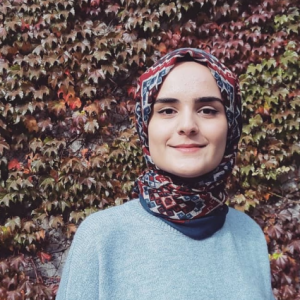
Aaron "Ted" Samuel graduated from Kenyon College in 2005 with a degree in international studies. He earned both college and departmental honors and was inducted to both the Phi Beta Kappa and Sigma Iota Rho Honor Societies.

He was also awarded the prestigious Martin Luther King Humanitarian Award and Franklin Miller Award for his campus leadership, activism, and efforts in raising money for tsunami relief.

In 2005 to 2006 he served as a Fulbright research fellow in South India where he researched the social movement of the Aravani – or South Indian Transgender – community. During his tenure as a Fulbright fellow, Ted had the opportunity to present his research and also perform Karagattam – a folk dance from Tamil Nadu – at various Fulbright conferences and Fulbright alumni association events in India, Pakistan and Nepal.

Most recently he has served as a marketing associate for The Corporate Executive Board, a best practices research firm, based in Washington, DC.

This year, Ted is serving as one of the Jagaran Media Center fellows in Kathmandu, Nepal. Having extensively studied social movements in South Asia during his academic career, Ted hopes to build on his historical and theoretical knowledge of Dalit struggles in India and Nepal with practical experience.

Blog List

XML Feeds

Other:

Login..


FIND A PARTNER

The Advocacy Project develops partnerships with advocates on the frontline and with nongovernmental organizations (NGOs). In so doing, we take our cue from partners and tailor any support to their needs.

StatCounter - Free Web Tracker and Counter